




Short range diffusion behaviors of carbon atoms during low-temperature tempering of hot work die steel
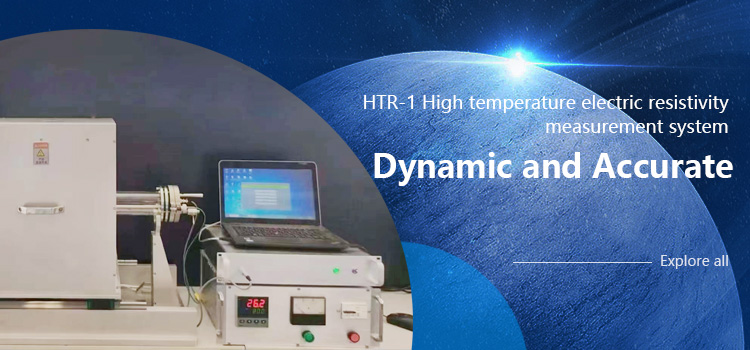
The quenched SDCM1 hot work die steel was characterized using dynamic resistance method over a temperature range of room temperature to 200 ℃.The spatial distribution and element concentration in the quenched and tempered samples were analyzed via three-dimension atom probe(3DAP) technology. The diffusion behavior of carbon atoms during low-temperature tempering was investigated through hardness measurements of the quenched samples in the temperature range from room temperature to 200 ℃. The results indicated that significant segregate of carbon in selected regions of the low temperature quenched specimens, while alloying elements(Mn, Mo, and Cr)remain nearly uniformly distributed. During tempering from room temperature to 70 ℃, the observed linear increase in electrical resistance is primarily attributed to electron phonon scattering. In the temperature range of70 ℃~125 ℃, the resistance gradually deviates from the linear behavior before exhibiting a decreasing trend, resulting from short-range diffusion and subsequent segregation of carbon atoms within the matrix. The hardness peak observed at approximately 120 ℃, which correlates with the resistance peak, is attributed to carbon atom diffusion-induced dislocation pinning.

